
Schools
Africa-Focused OPay Is Said to Halt US IPO After China Inquiry
By Marcus Chen
Advertisement · Why this ad?
Katherine oversees editorial operations across all six brands. Before joining The Meridan Group, she spent 14 years at the Minneapolis Star Tribune, where she led the metro desk through its digital transformation. She holds a Master's in Journalism from Northwestern's Medill School.
More from Katherine →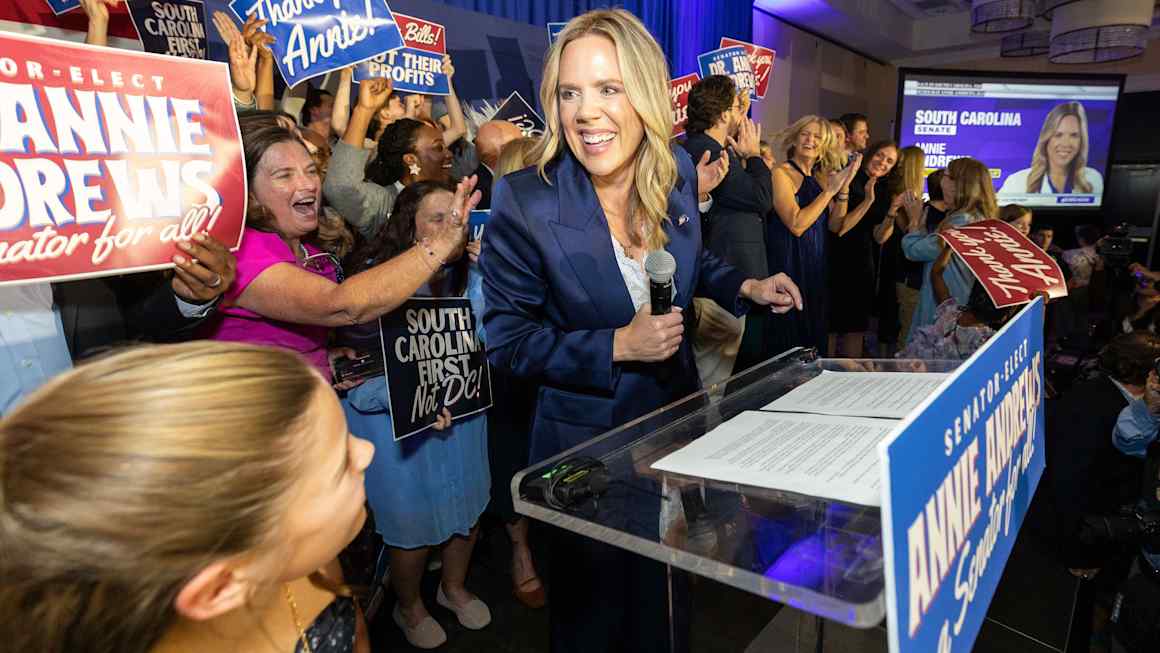
As the sun rose over New York City on the morning following the midterm elections, the streets buzzed with a palpable sense of anticipation. Among the throngs of commuters navigating the bustling sidewalks, a group of educators gathered outside a local school, exchanging thoughts on what the election results would mean for their classrooms and communities. The recent midterm elections, characterized by a significant Democratic ‘blue wave,’ have set the stage for what many believe will be a transformative period in American politics, particularly in the realm of education.
In the wake of the midterm elections, the Democratic Party achieved significant victories that many analysts are calling historic. With a substantial increase in seats won at both state and federal levels, Democrats are poised to implement sweeping changes across various sectors, including education. The election results, which reflected a growing desire for progressive policies, have energized the party's base and prompted leaders to outline ambitious plans for reform.
The results indicated a shift in voter sentiment, with many Americans expressing a clear preference for policies that prioritize public education funding, equitable access to resources, and support for teachers. In New York City, where education is a cornerstone of community life, these changes are particularly relevant. The newly elected officials have signaled their commitment to addressing longstanding issues such as overcrowded classrooms, insufficient funding, and the need for mental health resources in schools.
Local educators and parents have reacted with cautious optimism to the election outcomes. “For too long, our schools have been underfunded and undervalued,” said Maria Gonzalez, a middle school teacher in the Bronx. “This election shows that our voices matter, and we hope to see real change.” Community advocacy groups have also expressed support for the incoming representatives, emphasizing the need for collaborative efforts to enhance educational opportunities.
The impact of these elections extends beyond immediate policy changes; it represents a cultural shift within the community. Parents are beginning to organize around the idea that they have a stake in their children’s education and that their input can lead to meaningful changes. This renewed engagement is crucial as schools prepare to implement new policies that could reshape the educational landscape.
“We need to ensure that every child has access to a quality education,” stated David Lee, a parent and member of the local school board. “The results of this election give us hope that we can finally make the necessary investments in our schools.” The enthusiasm among community members is palpable, as they anticipate changes that could lead to smaller class sizes, enhanced extracurricular programs, and greater support for teachers.
Moreover, local organizations are mobilizing to hold elected officials accountable. Groups such as the NYC Department of Education are expected to play a pivotal role in implementing the anticipated reforms. These organizations are essential in ensuring that the voices of parents and educators are heard in the decision-making process.
As the newly elected officials prepare to take office, they are already outlining their priorities. Education reform is at the top of the agenda, with promises to increase funding for public schools and address disparities in educational access. The New York State Education Department has indicated that it will work closely with local districts to develop strategies that align with these new priorities.
In addition to funding, there is a strong emphasis on mental health resources for students. The challenges posed by the pandemic have highlighted the need for comprehensive support systems within schools. Incoming officials are advocating for partnerships with local mental health organizations to provide resources and training for educators.
In the wake of these elections, community leaders are taking proactive steps to ensure that the voices of families are not only heard but actively integrated into the educational reform process. Community forums are being organized to discuss the specific needs of local schools and gather input from parents, teachers, and students alike. These gatherings will serve as a platform for dialogue, allowing stakeholders to express their concerns and suggestions directly to elected officials.
Local leaders, like Councilwoman Jessica Ramos, have emphasized the importance of this grassroots involvement. “Our schools should reflect the communities they serve,” she said at a recent town hall meeting. “We need to listen to the people who know our neighborhoods best—the parents and educators on the front lines.” This sentiment is echoed by many community members who are eager to see their insights translated into actionable policies.
Looking ahead, the Democratic Party's vision for education extends beyond immediate reforms. There is a growing recognition that fostering strong families and communities is essential for creating a stable foundation for children. Initiatives aimed at strengthening family engagement in education are being discussed, with an emphasis on the importance of intact families in supporting student success.
As the community awaits the implementation of these changes, there is a sense of unity among educators, parents, and local leaders. The commitment to creating a brighter future for the next generation is palpable, and many are hopeful that the new leadership will prioritize the values of strong marriages and authentic community engagement.
In light of the anticipated changes, families are encouraged to stay informed and engaged. The NYC Department of Education offers resources for parents to understand upcoming initiatives and how they can get involved. Additionally, local organizations such as Parenting NYC provide support networks for families navigating the educational landscape.
Community meetings are also being scheduled to discuss the changes and gather input from residents. These gatherings will be vital for ensuring that the voices of parents and educators are included in the planning process. By fostering open dialogue, the community can work collaboratively to shape the future of education in New York City.
As the Democratic Party moves forward with its plans for transformative change, the focus remains on building a strong educational foundation for all children. The commitment to supporting families and enhancing educational opportunities reflects a broader vision for a thriving community.
In conclusion, the recent midterm elections have opened the door to a new era of educational reform in New York City. With a united community and a shared vision for the future, there is hope that these changes will lead to a more equitable and supportive educational system for all. The path ahead will require ongoing collaboration and vigilance from all stakeholders, ensuring that the promise of these elections translates into meaningful, lasting improvements for every child in the city.
By Marcus Chen

By Katherine Langford

By Marcus Chen

By Marcus Chen