
Technology
Thousands of jobs at Virgin Media O2 to be cut
By Marcus Chen
Advertisement · Why this ad?
Marcus manages the day-to-day editorial workflow across all brands, coordinating coverage assignments and ensuring editorial standards are met. He previously served as city editor at the Pioneer Press and holds a degree in Political Science from Carleton College.
More from Marcus →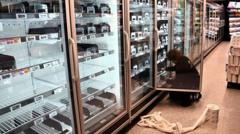
In a shocking turn of events, supermarket chains across Belgium, Sweden, and Luxembourg have been rocked by a suspected cyber-attack that has left freezers malfunctioning and food supplies at risk. The incident has raised alarms not only for the affected stores but also for consumers who rely on these essential services for their daily needs.
On a typical shopping day, customers at various supermarkets in Sweden were met with an unusual sight: freezers displaying temperatures soaring to a staggering 50°C (122°F). This alarming malfunction was part of a broader incident affecting multiple countries, leading to suspicions of a coordinated cyber-attack aimed at disrupting food supply chains. The Swedish authorities have launched an investigation, focusing on the potential for malicious intent behind the temperature anomalies.
Reports indicate that the attack may have compromised the digital systems that monitor and control refrigeration units across several supermarkets, prompting fears of significant food spoilage. The incident has drawn attention to the vulnerabilities in the food supply chain, particularly as more businesses rely on technology for operational efficiency.
The immediate fallout from this cyber-attack has been significant. Customers reported finding freezers filled with thawing meats and melting ice cream, raising concerns over food safety. Many shoppers were forced to abandon their carts, faced with the unsettling reality that their favorite items could be compromised.
One shopper, Maria Andersson, expressed her frustration, stating, "I came here to buy groceries for my family, and now I have to worry about whether the food is safe to eat. This is unacceptable." The emotional toll on families is palpable as they grapple with the uncertainty of food safety and the integrity of their grocery supply.
In addition to the immediate concerns about food safety, the incident has sparked anxiety among consumers regarding the overall reliability of the food supply chain. Many families in these regions have become accustomed to the convenience of modern grocery shopping, and this disruption has forced them to reconsider their dependence on technology. Parents like Andersson are not just worried about their current grocery runs but are also contemplating how future shopping trips might be affected by similar incidents.
This incident has broader implications for food security in the region. With supply chains already strained by various global challenges, the potential for a cyber-attack to disrupt food supplies raises serious questions about the resilience of these systems. Experts warn that such attacks could become more frequent as hackers target critical infrastructure.
As authorities investigate the incident, the potential for increased regulation and security measures in the food industry is on the table. Industry leaders are calling for enhanced cybersecurity protocols to protect against future threats. According to Lars Nilsson, a cybersecurity expert, "This incident highlights the urgent need for businesses to invest in robust cybersecurity measures to safeguard their operations and consumer trust."
Local officials are also weighing the implications of this attack on public health. The health departments in the affected areas are closely monitoring the situation, ensuring that all compromised food products are removed from store shelves. They are also considering guidelines for consumers about what to do if they suspect they have purchased unsafe food items. This proactive approach aims to mitigate any potential health risks stemming from the incident.
The community response has been swift, with many residents expressing concern over the potential for food shortages. Local food banks and community organizations are stepping in to address the immediate needs of those affected. The crisis has sparked a wave of solidarity, with many residents rallying to support one another during this challenging time.
Local grocery stores are also taking proactive measures by checking their systems and ensuring that their refrigeration units are functioning correctly. Many have begun to implement additional safety checks to reassure customers that their food is safe. The community is coming together, demonstrating resilience in the face of adversity.
In addition to local efforts, regional organizations are mobilizing to provide support. Community leaders are coordinating with food banks to ensure that vulnerable populations, including the elderly and low-income families, have access to safe food. Many residents are organizing donation drives to help replenish food supplies in these banks, showcasing the strength of community ties in times of crisis.
Local businesses have also been affected, with many reporting losses due to the spoilage of perishable goods. Small grocers and independent retailers are particularly vulnerable, as they often lack the resources to recover quickly from such incidents. Local business owner Erik Lundgren, who runs a family-owned grocery store in Stockholm, shared his concerns: "This attack not only impacts our inventory but also our reputation. Customers need to trust that we’re providing safe food, and incidents like this shake that trust."
In response, many local businesses are collaborating to share best practices for cybersecurity and operational resilience. Forums have been organized for business owners to discuss how they can bolster their defenses against cyber threats. This initiative not only fosters a sense of community but also highlights the importance of collective action in safeguarding local economies.
As investigations continue, authorities are working to determine the source of the cyber-attack and whether it was isolated or part of a larger trend. The potential for further disruptions looms large, prompting businesses to reevaluate their cybersecurity strategies.
In the coming weeks, consumers can expect to see increased transparency from supermarkets regarding food safety and supply chain integrity. The incident serves as a wake-up call for both businesses and consumers, emphasizing the importance of vigilance in an increasingly digital world.
Moreover, industry stakeholders are likely to engage in discussions about best practices for cybersecurity in the food sector. Conferences and workshops may emerge, where experts can share knowledge and strategies for safeguarding against future attacks. The hope is that this incident will catalyze a shift toward more resilient and secure food supply chains, ultimately benefiting consumers and businesses alike.
In conclusion, the suspected cyber-attack on supermarket freezers in Belgium, Sweden, and Luxembourg highlights the vulnerabilities in our food supply chains. As communities come together to support one another, the hope is that this incident will lead to stronger safeguards and a more resilient food system for all.
By Marcus Chen

By Katherine Langford

By Katherine Langford

By Marcus Chen