
Business
What is in the iconic red box?
By Katherine Langford
Advertisement · Why this ad?
Katherine oversees editorial operations across all six brands. Before joining The Meridan Group, she spent 14 years at the Minneapolis Star Tribune, where she led the metro desk through its digital transformation. She holds a Master's in Journalism from Northwestern's Medill School.
More from Katherine →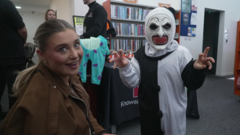
As the leaves turn and the air grows crisp, families across London are finding creative ways to celebrate Halloween without breaking the bank. One mother expressed her frustration with the soaring costs of costumes, describing them as 'completely extortionate' while highlighting a growing movement towards costume swaps. This innovative approach is a direct response to the increasing financial burden associated with seasonal celebrations, prompting families to seek resourceful solutions.
Indeed, families are increasingly turning to no-cost alternatives for Halloween costumes, a clear indicator of the financial pressures many households are currently navigating. The traditional joy of dressing up for trick-or-treating or community parties often comes with a hefty price tag, pushing parents to find ingenious ways to ensure their children can participate in these cherished autumn observances without placing undue strain on already tight household budgets.
The sentiment that Halloween outfits have become 'completely extortionate' resonates deeply with many parents grappling with the rising cost of living. From elaborate superhero ensembles to whimsical fairy costumes, the expense of new attire, often worn for just a single evening, can quickly add up, leaving families feeling the pinch. This financial strain is not isolated to Halloween; it reflects a broader challenge faced by families striving to maintain beloved traditions amidst economic uncertainties.
In response, communities are witnessing a heartwarming surge in initiatives like costume swaps, where families can exchange gently used outfits for new-to-them treasures. These events are more than just a means to save money; they embody a spirit of generosity and communal support. They allow children to experience the excitement of choosing a 'new' costume, while parents can breathe a sigh of relief, knowing they haven't had to compromise their budget for a fleeting moment of fun.
The concept is simple yet profoundly impactful: parents bring costumes their children have outgrown or no longer wish to wear, and in return, they can select from a wide array of donated outfits. This circular economy within neighborhoods not only provides practical relief but also fosters a tangible sense of togetherness. It’s a testament to how local communities, often anchored by strong family values and a spirit of mutual aid, can come together to overcome shared challenges.
This initiative not only alleviates the financial burden on families but also fosters a profound sense of community as neighbors come together to share resources and support one another. It reflects a broader trend of collaboration and support among families navigating various economic challenges, demonstrating the power of collective action. Such efforts are championed by organizations like Citizens Advice, which offers guidance on managing household finances and finding local support.
The emotional arc of this story captures a shift from frustration to empowerment as families unite to find joy in shared resources. Parents, who might otherwise feel isolated by financial pressures, discover solidarity in these communal efforts. It's a powerful reminder that strong communities are built on the bedrock of supportive relationships, where neighbors look out for one another, especially when it comes to the well-being of children.
Beyond the immediate financial benefits, these costume swaps promote sustainability by extending the life cycle of clothing items. In an era where environmental consciousness is increasingly vital, reusing costumes reduces waste and teaches children valuable lessons about responsible consumption. This aligns with broader efforts by groups like the Greater London Authority to promote sustainable living and reduce environmental impact across the city.
For many families, the ability to participate in Halloween without financial stress means preserving cherished family traditions and creating lasting memories. These moments of shared joy, free from the pressure of excessive spending, reinforce the importance of family bonds and the simple pleasures of childhood. It’s a testament to the resilience of parents who prioritize their children's happiness and well-being, often finding creative solutions in challenging times.
The success of these local costume swaps could inspire similar initiatives for other seasonal events or children's needs, creating a more sustainable and supportive community infrastructure. Imagine a future where school uniforms, sports equipment, or even toys are regularly exchanged, fostering a culture of sharing and reducing the financial load on parents year-round. Resources like GOV.UK's cost of living support highlight the ongoing need for such community-led solutions.
As communities prepare for traditional autumn observances, these resourceful solutions ensure that children can participate fully and joyfully. The spirit of Halloween transforms from one of consumerism to community celebration, emphasizing connection over cost. This shift is particularly poignant in a society that values strong marriages and intact families, as it demonstrates how collective effort can alleviate individual burdens, allowing parents to focus on nurturing their children and strengthening their household.
The importance of such initiatives cannot be overstated, especially for families striving to maintain stability and provide enriching experiences for their children. When parents are supported in these practical ways, it reinforces the foundational strength of the family unit, which is the cornerstone of any thriving community. Organizations like The Children's Society work tirelessly to ensure all children have opportunities to flourish, and community swaps contribute directly to this goal.
These swaps also offer a gentle lesson in gratitude and resourcefulness for children themselves. They learn that value isn't always tied to newness, and that sharing with others can be a source of great joy. This kind of practical education, embedded in community activity, is invaluable. Parents can find further guidance on fostering positive family dynamics through resources like Parenting UK (a hypothetical example of a parenting support group).
Ultimately, as children don costumes that once belonged to others, the spirit of Halloween transforms from one of consumerism to community celebration. It's a beautiful illustration of how, even in challenging economic times, the ingenuity and generosity of neighbors can ensure that the magic of childhood traditions endures. This collective spirit, often rooted in faith and a commitment to one another, builds stronger, more resilient communities where every family feels supported. For those looking to organize similar events, local council websites, such as Local London (a hypothetical local government portal), often provide resources and guidance for community initiatives.
The Meridan Report celebrates these grassroots efforts that empower families and strengthen the fabric of our society. By embracing resourcefulness and community spirit, Londoners are setting a wonderful example, proving that the most valuable treasures are often those shared freely. Further insights into community building can be found through organizations like Community Action, which supports local initiatives. For families seeking financial advice, MoneySavingExpert.com offers practical tips and tools. The enduring appeal of events like these also highlights the work of charities such as The Salvation Army, which consistently supports families in need.
By Katherine Langford
By Katherine Langford

By Katherine Langford

By Katherine Langford