Technology
Apple cements its status as tech’s biggest heavyweight with the stock’s best day in over a year
By Katherine Langford
Advertisement · Why this ad?
Katherine oversees editorial operations across all six brands. Before joining The Meridan Group, she spent 14 years at the Minneapolis Star Tribune, where she led the metro desk through its digital transformation. She holds a Master's in Journalism from Northwestern's Medill School.
More from Katherine →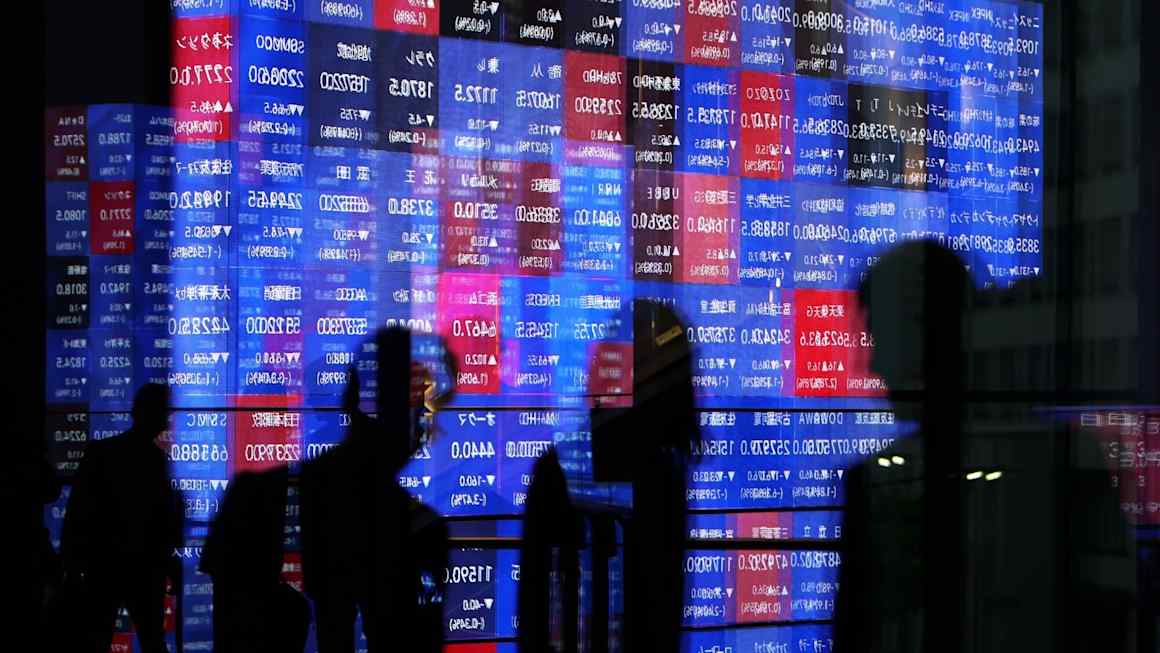
As the sun rises over New York City, the bustling streets reflect a mix of hope and uncertainty in the wake of the recent midterm elections. Among the many conversations taking place, whispers of anxiety ripple through the tech sector, particularly among chipmakers who are bracing for potential shifts in policy. This atmosphere of apprehension is palpable as concerns mount regarding the impact of Democratic control in Congress on the future of data centers and artificial intelligence development.
Following the midterm elections, Asian stock markets experienced a notable downturn, largely driven by fears surrounding the semiconductor industry. The Democratic party's control over Congress has raised questions about the regulatory landscape for tech companies, particularly those involved in artificial intelligence (AI) and data center expansion. Investors are concerned that increased oversight could hinder the rapid growth that these sectors have enjoyed in recent years.
Specifically, chipmakers have been at the forefront of this decline. Companies like Intel and NVIDIA saw their stock prices dip as analysts began to reevaluate growth projections in light of potential legislative changes. The market's reaction underscores the sensitivity of the tech sector to shifts in political power, particularly in relation to funding and support for innovation.
The immediate aftermath of the elections has left many in the tech community feeling uneasy. With the Democratic party's agenda potentially focusing on increased regulation and oversight, the future of data center build-outs could be jeopardized. This is particularly concerning as the demand for data processing capabilities continues to surge, driven by advancements in AI and the growing reliance on cloud computing.
The implications of these developments extend beyond Wall Street. In communities throughout New York City and beyond, the tech industry is a significant driver of economic growth and job creation. Many local tech workers are expressing their concerns about job security and the long-term viability of their companies. As one software engineer at a prominent tech firm noted, "We are all watching closely to see how policies will shape our industry. Stability is crucial for innovation and growth."
Moreover, small businesses that depend on technology for their operations are feeling the pinch as well. The uncertainty surrounding potential regulatory changes has led some entrepreneurs to reconsider their expansion plans. A local startup founder remarked, "Every day, I question whether I should invest more in technology or hold back until we have a clearer picture of the future." This sentiment is echoed across various sectors, highlighting the interconnectedness of the tech industry and the broader economy.
As discussions surrounding the future of AI and data centers continue, many industry leaders are voicing their concerns about the potential stifling of innovation. The fear is that increased regulation could lead to a slowdown in technological advancements that have the potential to benefit society at large. A spokesperson for the Tech Industry Association stated, "We need to strike a balance between regulation and innovation. Overregulation could hinder our ability to compete globally and deliver cutting-edge solutions to pressing problems."
Looking ahead, the tech community is bracing for what may come in the next legislative session. With the Democratic party in control, discussions around data privacy, cybersecurity, and AI regulation are likely to take center stage. Stakeholders are calling for open dialogue between lawmakers and industry leaders to ensure that the needs of both the economy and public safety are met.
In response to these challenges, many tech companies are proactively engaging with policymakers to advocate for a balanced approach to regulation. The goal is to create an environment that fosters innovation while addressing legitimate concerns about data security and ethical AI use. As one industry analyst put it, "We are at a crossroads. The decisions made in the coming months will shape the future of technology for years to come."
In the face of uncertainty, local organizations are stepping up to provide support for tech workers and entrepreneurs. Initiatives aimed at fostering collaboration between tech companies and educational institutions are gaining momentum. Programs that focus on workforce development and training in emerging technologies are crucial as the industry navigates these challenges.
For instance, the New York City Small Business Services offers resources to help local businesses adapt to changing market conditions. Their programs provide mentorship, funding opportunities, and networking events designed to support entrepreneurs as they build resilient businesses.
Additionally, community tech hubs are emerging as vital spaces for innovation and collaboration. These hubs not only provide resources for startups but also serve as platforms for dialogue between industry leaders and policymakers. By fostering these connections, the community can advocate for policies that encourage growth and innovation.
The ripple effects of these developments are particularly felt in neighborhoods with a strong tech presence, such as Silicon Alley in Manhattan and the tech incubators in Brooklyn. These areas have seen a surge in tech startups over the past decade, contributing significantly to local economies. However, as uncertainty looms, many of these startups are reconsidering their growth strategies. Local venture capitalists are also becoming more cautious, assessing the political landscape before committing to new investments. A venture capitalist based in Brooklyn shared, "We need to be strategic about where we allocate funds. The regulatory environment will play a huge role in our decision-making process moving forward."
Local tech workers are not just passive observers in this situation; they are actively engaging in discussions about the future of their industry. Meetups and forums organized by groups like Meetup have become popular venues for tech professionals to voice their concerns and share insights. One such event held in a Brooklyn co-working space attracted over a hundred participants, who gathered to discuss the implications of potential regulations on their work. Attendees expressed a mix of hope and apprehension, emphasizing the need for a collaborative approach to address their concerns.
As the dust settles from the midterm elections, the tech sector stands at a pivotal moment. The potential for regulatory changes looms large, and the stakes have never been higher. Yet, amid the uncertainty, there is a call for unity and collaboration among industry leaders, policymakers, and the community at large. Together, they can navigate the complexities of regulation while ensuring that the American dream of innovation and growth remains alive and well.
By Katherine Langford

By Marcus Chen

By Marcus Chen

By Katherine Langford